
WONDERFULIOS

Professional Water Heater Replacement vs DIY: What You Need to Know for Safe and Efficient Home Maintenance
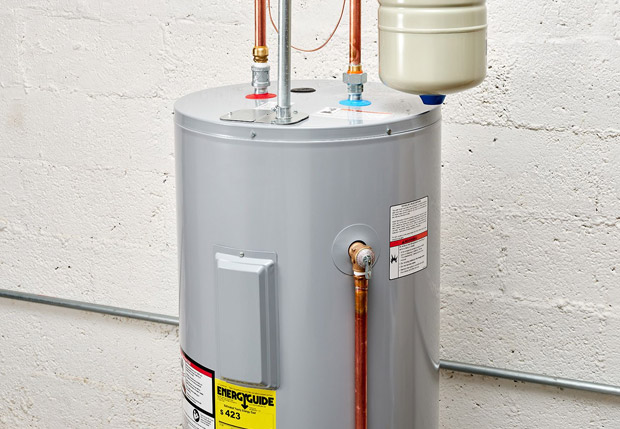
A reliable water heater is an essential part of any home, providing comfort and convenience for daily tasks such as bathing, cooking, and cleaning. When a water heater begins to fail, homeowners face an important decision: attempt a DIY replacement or hire a professional. Understanding the risks, benefits, and best practices associated with water heater replacement can save time, money, and potential headaches.

This guide will explore key considerations for water heater replacement, highlight safety concerns, and explain why professional services are often the most reliable choice.

Why Water Heater Replacement Is Important

Water heaters have a limited lifespan, typically ranging from eight to fifteen years depending on the type and usage. Over time, they may develop leaks, reduce efficiency, or fail to produce hot water consistently.

Replacing a failing water heater promptly is important because:
• It prevents unexpected breakdowns that disrupt daily routines
• It improves energy efficiency, reducing utility bills
• It reduces the risk of water damage caused by leaks or flooding
• It protects plumbing systems from secondary damage, including potential sewer line repair

Neglecting water heater issues can lead to more costly repairs and even compromise the safety of your home.

Understanding DIY Water Heater Replacement

Some homeowners consider replacing their water heater on their own to save money. While DIY installation may seem straightforward, it involves multiple technical steps that require precision and knowledge.

DIY replacement typically involves:
• Shutting off the water and power supply
• Draining the old water heater and disconnecting plumbing and electrical connections
• Installing the new unit and reconnecting pipes, valves, and power
• Testing for leaks and ensuring proper functionality

While guides and tutorials are widely available, any errors in installation can lead to:
• Leaks that cause water damage or affect sewer lines
• Electrical hazards if connections are mishandled
• Reduced efficiency or shortened lifespan of the new unit

These risks highlight why DIY water heater replacement may not be suitable for everyone.

Benefits of Hiring a Professional

Professional water heater replacement offers several advantages over DIY installation. Trained technicians bring expertise, experience, and tools that ensure the job is done safely and efficiently.

Key benefits include:
• Proper sizing and selection of the water heater to meet household needs
• Accurate installation that complies with local building codes
• Secure connections that prevent leaks and water damage
• Identification of underlying plumbing issues that may require sewer line repair

Professionals also provide guidance on maintenance and troubleshooting, ensuring the new water heater performs optimally for years to come.

Safety Considerations

Water heater replacement involves both water and electricity or gas connections, making safety a critical concern. Improper installation can result in:
• Water leaks that damage floors and walls
• Risk of electrical shock or fire in electric water heaters
• Gas leaks and potential explosions in gas water heaters

A licensed professional mitigates these risks by following strict safety protocols, using proper tools, and adhering to building codes.

Assessing Your Plumbing System

Before replacing a water heater, it is important to evaluate the condition of your plumbing system. Old or corroded pipes, faulty valves, or blockages can compromise the performance of a new water heater.

Sewer line repair may also be necessary if leaks or blockages are detected. Professionals can perform a comprehensive inspection, ensuring that your plumbing system is fully prepared to support the new unit. Addressing these issues during replacement can prevent costly repairs later.

Energy Efficiency and Cost Savings

Modern water heaters are more energy efficient than older models, offering long term savings on utility bills. Professional installation ensures the unit is optimized for performance and energy use.

DIY installation may lead to incorrect connections or improper venting, which can reduce efficiency and increase operating costs. Professionals can also advise on features such as tankless or high efficiency models to meet your household needs.

Signs You Need a Water Heater Replacement

Knowing when to replace your water heater is essential to avoid sudden failures. Common signs include:
• Water temperature inconsistencies
• Rust or discoloration in hot water
• Strange noises coming from the tank
• Visible leaks or corrosion around the unit
• Increased energy bills due to inefficiency

If multiple signs are present, it is often more practical to replace the unit rather than attempt repairs.

Preparing for Professional Replacement

To make the water heater replacement process smoother, homeowners should:
• Clear the area around the old unit to provide access
• Turn off the water supply and power or gas line
• Gather any necessary paperwork, such as warranties and manuals
• Communicate any specific needs or preferences to the technician

Preparation ensures that the professional can complete the replacement efficiently and safely.

After Installation Maintenance Tips

Proper maintenance extends the life of your new …

A Room-by-Room Guide to Choosing the Right Window Treatments for Your Home

Window treatments aren’t decorative afterthoughts — they’re one of the few design choices that directly affect how your home feels, functions, and flows from room to room. The mistake many homeowners make is choosing window coverings in isolation, without considering how each space is actually used. Light, privacy, durability, and mood all shift depending on the room, and your window treatments should respond accordingly.

This room-by-room guide walks through the entire home, helping you choose treatments that work with each space rather than against it, while still maintaining a cohesive overall look.

Living Room: Balancing Light, Style, and Flexibility

The living room is the most public-facing space in the home, which makes its windows both a design feature and a functional element. These windows often need to manage bright daylight, maintain privacy during the evening, and still look presentable when entertaining. Because of this, flexibility is key.

Layered window treatments tend to work best here. Light-filtering shades allow daylight to enter without glare, while curtains add softness, warmth, and visual presence when closed. The living room is also where texture and subtle pattern can shine — whether through linen drapes, woven shades, or softly pleated panels. Unlike bedrooms, full blackout isn’t usually necessary, but adaptable light control is.

Bedroom: Creating Darkness, Comfort, and Calm

Bedrooms ask more from window treatments than almost any other room. Sleep quality depends on light control, temperature regulation, and privacy, making purely decorative choices impractical here. Even well-lit bedrooms benefit from treatments that can block early morning sun or street-level lighting.

Blackout-lined custom roman shades or roller shades provide effective light control without overwhelming the space. Pairing them with full-length custom drapes enhances insulation and adds a sense of comfort. From a design perspective, bedroom treatments should feel restful rather than stimulating—neutral colours, soft textures, and minimal pattern help maintain a calm, sleep-friendly atmosphere.

Bathroom: Privacy With Moisture-Resistant Materials

Bathrooms come with unique challenges that immediately narrow your options. Humidity, condensation, and temperature changes make many traditional fabrics unsuitable. At the same time, privacy is non-negotiable, particularly in street-facing or shared spaces.

Moisture-resistant roller shades, faux-wood blinds, and water-safe cellular shades perform well in these conditions. Light-filtering options are often preferable, allowing natural daylight in while obscuring direct views. Where possible, treatments that sit neatly within the window frame keep the space feeling clean and uncluttered — an important consideration in smaller bathrooms.

Kitchen: Practicality Above All

Kitchen windows are exposed to grease, steam, and frequent cleaning, which makes durability and ease of maintenance essential. Heavy drapes are rarely a good fit here.

Custom roman shades in easy-care fabrics, roller shades with stain-resistant finishes, or cafe curtains for partial coverage all suit kitchen environments. Light control is still important, but kitchens generally benefit from brightness and openness. Window treatments here should feel functional first, with style following closely behind.

Dining Room: Softness and Atmosphere

Dining rooms sit somewhere between formal and functional, and their window treatments should reflect that balance. This is a space where mood matters — especially for evening meals and gatherings — but excessive light control is rarely required.

Curtains work beautifully in dining rooms, adding softness and a sense of occasion. When paired with a discreet shade underneath, they allow flexibility without clutter. Fabric choice can be slightly richer here than in kitchens or bathrooms, but still practical enough to handle regular use. The aim is warmth, not heaviness.

Home Office: Controlling Glare Without Closing In

A home office needs window treatments that support focus. Excess glare can be distracting, while insufficient light can make the space feel dull and enclosed. The right balance allows daylight to filter in while reducing screen reflections.

Roman shades and roller shades are particularly effective in workspaces, as they offer precise control without visual distraction. Neutral tones help maintain a professional feel, while light-filtering fabrics prevent the room from feeling shut off during working hours. In multipurpose rooms, layering blinds with curtains can help transition the space after hours.

Kids’ Rooms and Nurseries: Safety, Comfort, and Longevity

Window treatments in children’s spaces must prioritise safety and ease of use. Cordless designs are essential, and durable materials are far more practical than delicate fabrics. Light control also plays an important role, especially for naps and early bedtimes.

Blackout-lined shades paired with simple curtains offer flexibility as routines change. Design-wise, it’s best to avoid overly themed or novelty styles that children may outgrow quickly. Timeless colours and subtle patterns allow the room to evolve without requiring constant updates.

Entryways and Hallways: Light Without Exposure

Windows in entryways and hallways often exist to bring light into transitional spaces rather than provide views. Privacy is usually a concern here, particularly near front doors or street-facing areas.

Light-filtering shades that obscure direct sightlines while allowing daylight to pass through are …