
Professional Water Heater Replacement vs DIY: What You Need to Know for Safe and Efficient Home Maintenance
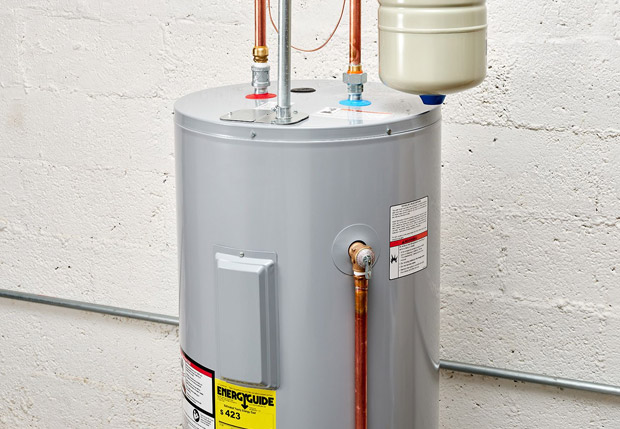
A reliable water heater is an essential part of any home, providing comfort and convenience for daily tasks such as bathing, cooking, and cleaning. When a water heater begins to fail, homeowners face an important decision: attempt a DIY replacement or hire a professional. Understanding the risks, benefits, and best practices associated with water heater replacement can save time, money, and potential headaches.
This guide will explore key considerations for water heater replacement, highlight safety concerns, and explain why professional services are often the most reliable choice.
Why Water Heater Replacement Is Important
Water heaters have a limited lifespan, typically ranging from eight to fifteen years depending on the type and usage. Over time, they may develop leaks, reduce efficiency, or fail to produce hot water consistently.
Replacing a failing water heater promptly is important because:
• It prevents unexpected breakdowns that disrupt daily routines
• It improves energy efficiency, reducing utility bills
• It reduces the risk of water damage caused by leaks or flooding
• It protects plumbing systems from secondary damage, including potential sewer line repair
Neglecting water heater issues can lead to more costly repairs and even compromise the safety of your home.
Understanding DIY Water Heater Replacement
Some homeowners consider replacing their water heater on their own to save money. While DIY installation may seem straightforward, it involves multiple technical steps that require precision and knowledge.
DIY replacement typically involves:
• Shutting off the water and power supply
• Draining the old water heater and disconnecting plumbing and electrical connections
• Installing the new unit and reconnecting pipes, valves, and power
• Testing for leaks and ensuring proper functionality
While guides and tutorials are widely available, any errors in installation can lead to:
• Leaks that cause water damage or affect sewer lines
• Electrical hazards if connections are mishandled
• Reduced efficiency or shortened lifespan of the new unit
These risks highlight why DIY water heater replacement may not be suitable for everyone.
Benefits of Hiring a Professional
Professional water heater replacement offers several advantages over DIY installation. Trained technicians bring expertise, experience, and tools that ensure the job is done safely and efficiently.
Key benefits include:
• Proper sizing and selection of the water heater to meet household needs
• Accurate installation that complies with local building codes
• Secure connections that prevent leaks and water damage
• Identification of underlying plumbing issues that may require sewer line repair
Professionals also provide guidance on maintenance and troubleshooting, ensuring the new water heater performs optimally for years to come.
Safety Considerations
Water heater replacement involves both water and electricity or gas connections, making safety a critical concern. Improper installation can result in:
• Water leaks that damage floors and walls
• Risk of electrical shock or fire in electric water heaters
• Gas leaks and potential explosions in gas water heaters
A licensed professional mitigates these risks by following strict safety protocols, using proper tools, and adhering to building codes.
Assessing Your Plumbing System
Before replacing a water heater, it is important to evaluate the condition of your plumbing system. Old or corroded pipes, faulty valves, or blockages can compromise the performance of a new water heater.
Sewer line repair may also be necessary if leaks or blockages are detected. Professionals can perform a comprehensive inspection, ensuring that your plumbing system is fully prepared to support the new unit. Addressing these issues during replacement can prevent costly repairs later.
Energy Efficiency and Cost Savings
Modern water heaters are more energy efficient than older models, offering long term savings on utility bills. Professional installation ensures the unit is optimized for performance and energy use.
DIY installation may lead to incorrect connections or improper venting, which can reduce efficiency and increase operating costs. Professionals can also advise on features such as tankless or high efficiency models to meet your household needs.
Signs You Need a Water Heater Replacement
Knowing when to replace your water heater is essential to avoid sudden failures. Common signs include:
• Water temperature inconsistencies
• Rust or discoloration in hot water
• Strange noises coming from the tank
• Visible leaks or corrosion around the unit
• Increased energy bills due to inefficiency
If multiple signs are present, it is often more practical to replace the unit rather than attempt repairs.
Preparing for Professional Replacement
To make the water heater replacement process smoother, homeowners should:
• Clear the area around the old unit to provide access
• Turn off the water supply and power or gas line
• Gather any necessary paperwork, such as warranties and manuals
• Communicate any specific needs or preferences to the technician
Preparation ensures that the professional can complete the replacement efficiently and safely.
After Installation Maintenance Tips
Proper maintenance extends the life of your new …